Crawl space dehumidifiers in Charlotte run $1,200–$2,500 installed: crawl-rated, sized to the space, drained properly, and commissioned to hold 45–55% RH. In the closed-crawl design NC validated, the dryer is the working half, not an accessory.
Why sealed still needs dried here, honest sizing, and the phone-visible number.
What the research design assumes
NC's closed-crawl results came from complete systems: sealed and mechanically dried. The reason shows every August: Piedmont air runs 70–90% humidity for months, pressing vapor at liner margins while the house above exhales downward, and a seal-only crawl drifts back toward the line on the residuals. The dryer removes what the seal can't refuse and holds the number the studies promised. Both halves, like the code says, like the data showed.
Sized and installed to last
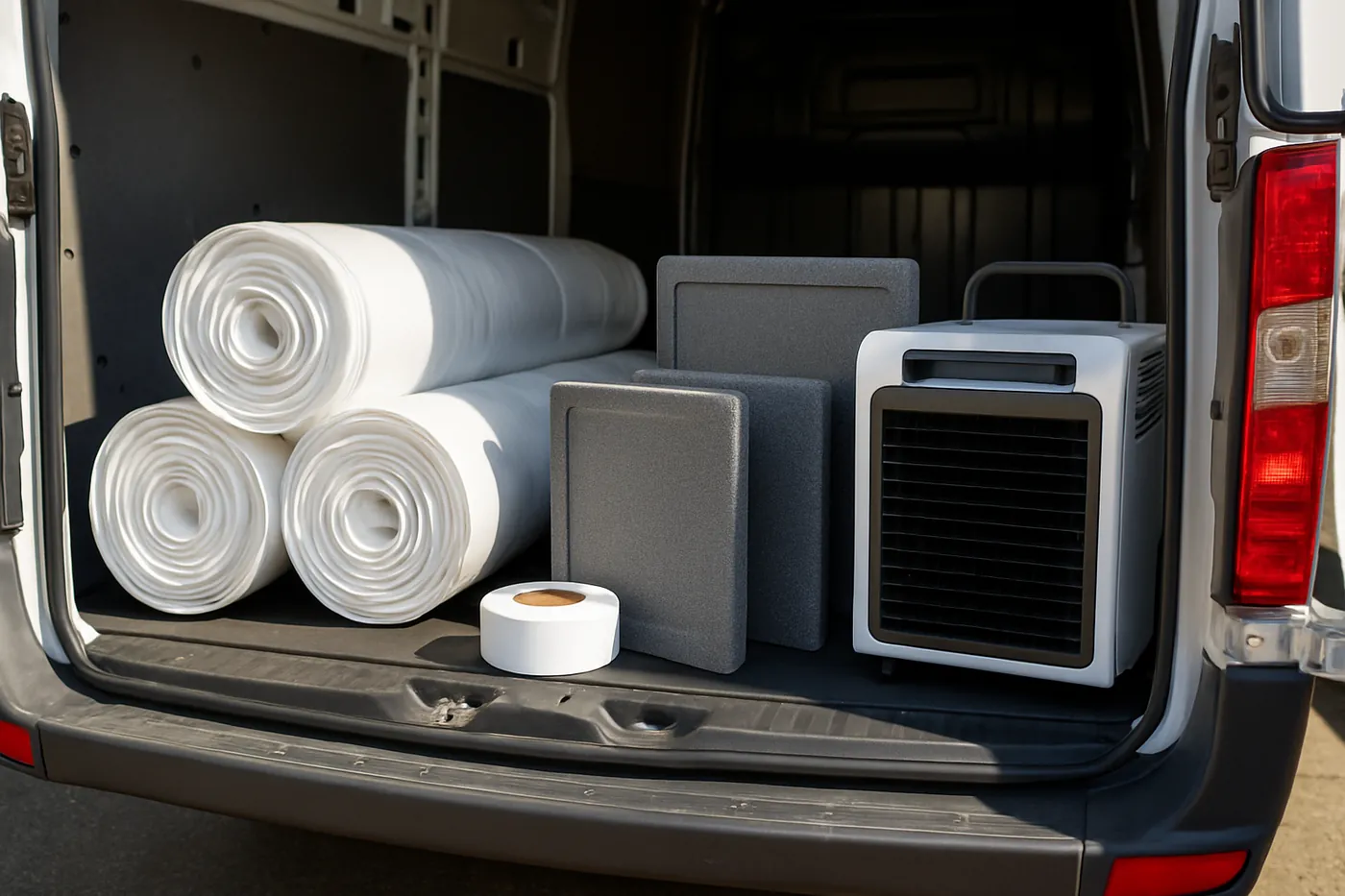
- Sized to the real load: footage, height, starting readings; Charlotte sizing keeps margin for the sticky weeks
- Crawl-rated hardware: cool, low, dusty duty for years
- Drained, never bucketed: condensate to the drainage system or daylight
- Placed for circulation: dead corners are where numbers lie
The number, on your phone
Commissioning documents the before-and-after; the humidistat holds the range; a remote sensor reports to your phone. From handover on, your crawl is an auditable number instead of a mystery: drift has a short suspect list and a fast fix, and the whole apparatus exists so the research standard survives contact with real summers. Dry, in this metro, is a reading you can check from the porch swing.
Sizing the dryer for an 80%-humidity baseline
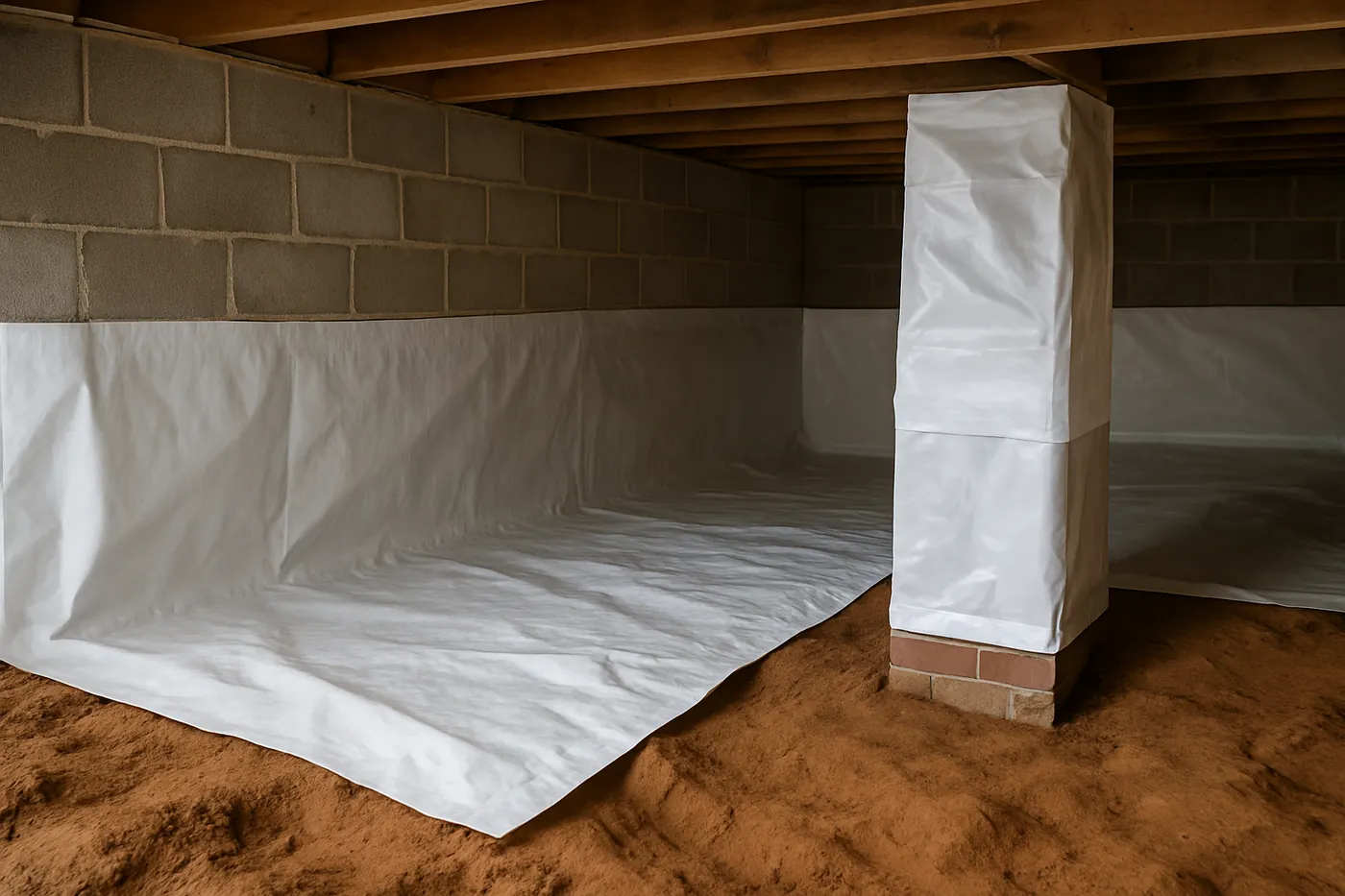
The NC research that settled the closed-crawl question also set the target: keep the crawl under the mold-and-rot line, ideally 45–55% relative humidity, in a climate whose vented baseline ran above 80%. That gap is the dehumidifier's job description, and it's why crawl-rated units, not hardware-store consoles, are the spec: rated for low-temperature operation, ducted to circulate the full footprint, condensate plumbed to a drain or sump rather than a bucket nobody empties. Sizing follows crawl volume and the sealing quality around it; an undersized unit in a leaky seal runs constantly and loses.
Placement earns its measurement: air has to move the length of the crawl, not orbit the unit. A good install sets the hygrometer where the reading is honest (far corner, not beside the machine), and the scope should name the target band in writing, because 'a dehumidifier was installed' isn't the deliverable; a crawl that holds 50% in August is.
Which dehumidifier setup actually holds?
The North Carolina field research that settled the closed-crawl question also measured what happens without drying: vented Piedmont crawls ran above 80 percent humidity for much of spring and summer, while closed ones held under 65.
| Option | What it means | In this market |
|---|---|---|
| A portable unit from the store | A living-space machine in a space that defeats them | Crawl temperatures drop below what store units are built for, and the coil ices |
| A crawl-rated dehumidifier | Low-temperature rated, drain-plumbed, built to run | The machine the NC numbers assume: the closed-crawl result includes it running |
| A fan or vents instead | Moves humid air around without removing any water | The vented-crawl configuration is the one that measured over 80 percent |
| A dehumidifier with nothing sealed | Fights the open ground and the open vents at once | On Cecil clay's year-round ground moisture, unsealed means unwinnable |
The state's largest crawl-space market has the data most markets guess at: drying is one component of a sealed system, and the research measured the system, not the appliance.
Dehumidifier questions, straight answers
What does an installed crawl dehumidifier cost in Charlotte?
Crawl-rated units run $1,200-$2,500 installed: sized to your footage and starting readings, plumbed to a condensate drain, commissioned to hold 45-55% RH with a sensor you can check from anywhere. It's the mechanical half the NC research design assumes.
If the crawl is sealed, why keep drying it?
Because Piedmont summers press moisture at every margin and the house exhales downward year-round. The research's closed crawls performed because they were dried, not just sealed: seal-only spaces drift back toward the line by August. NC's code language pairs the barrier with drying for exactly this reason.
Why not a box-store dehumidifier?
Duty and durability: residential portables aren't rated for crawl temperatures, drain awkwardly, and retire early down there. Crawl-rated units run cool, drain automatically, and last years. The delta buys longevity, not a logo.
What number should I see on the sensor?
45-55% RH, held steadily: below the 70% line where wood feeds rot and termites, with margin for Charlotte's stickiest weeks. Commissioning documents the drop; the phone sensor makes every humid afternoon an audit you can run from the porch.
What upkeep does the unit need?
Filters a couple times a year, a glance at the condensate line, and attention if the number drifts, which usually means a filter, a drain, or an access door left open, in that order. Boring maintenance is the design goal.
Get a Charlotte crawl space inspection
Tell us what you're noticing (smells, humidity, floor bounce, a wet crawl) and we'll pass your request along for an inspection. A local specialist who serves Charlotte will call you back.